
How to Choose the Right Handgun for Beginners
Choosing your first handgun can feel overwhelming.
There are countless options, strong opinions, and a lot of conflicting advice - making it difficult to know what actually matters. The truth is, the “best” handgun isn’t about brand or popularity. It’s about finding something that fits you, your experience level, and how you plan to use it.
For most beginners, keeping things simple is the key to making a confident, informed decision.
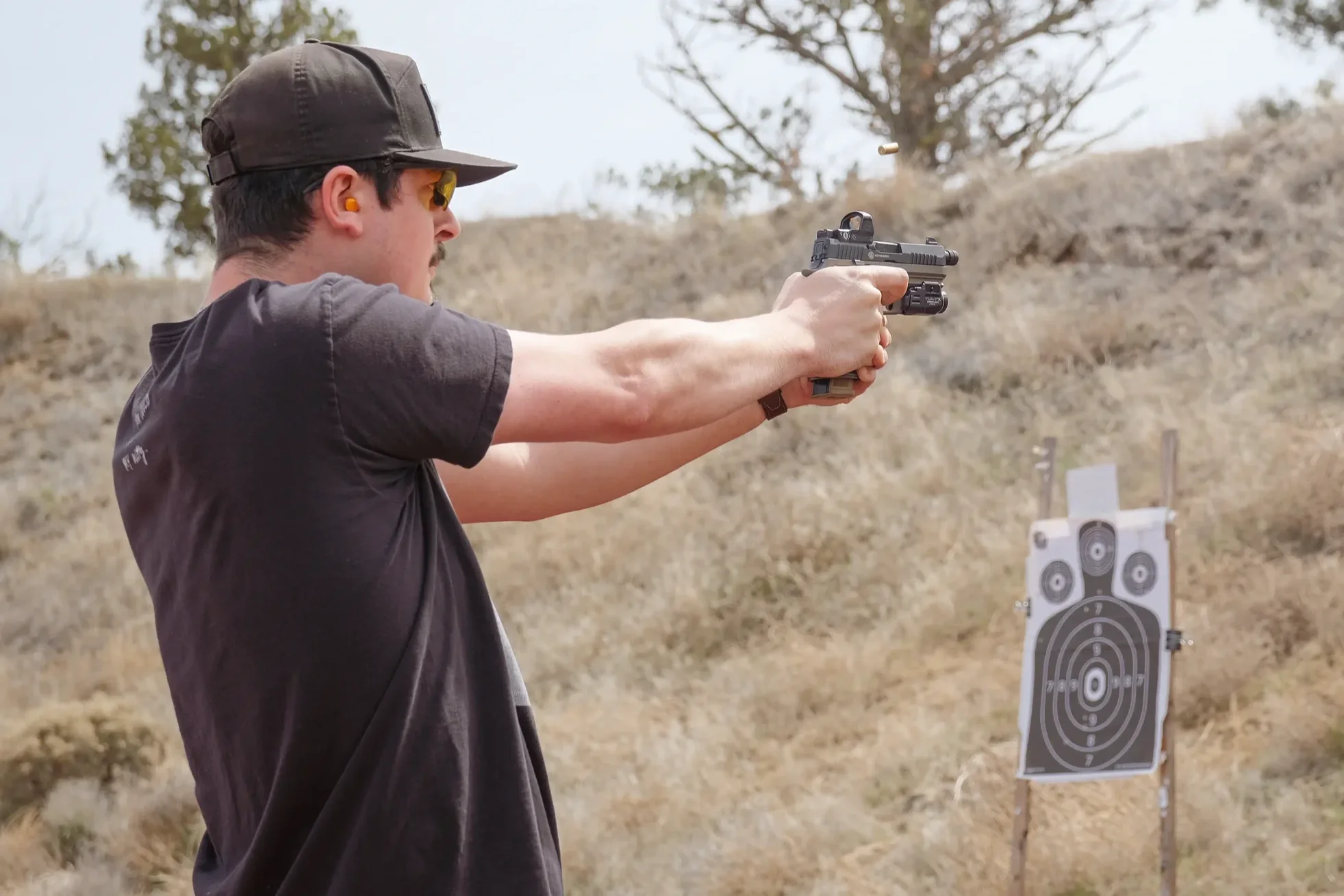
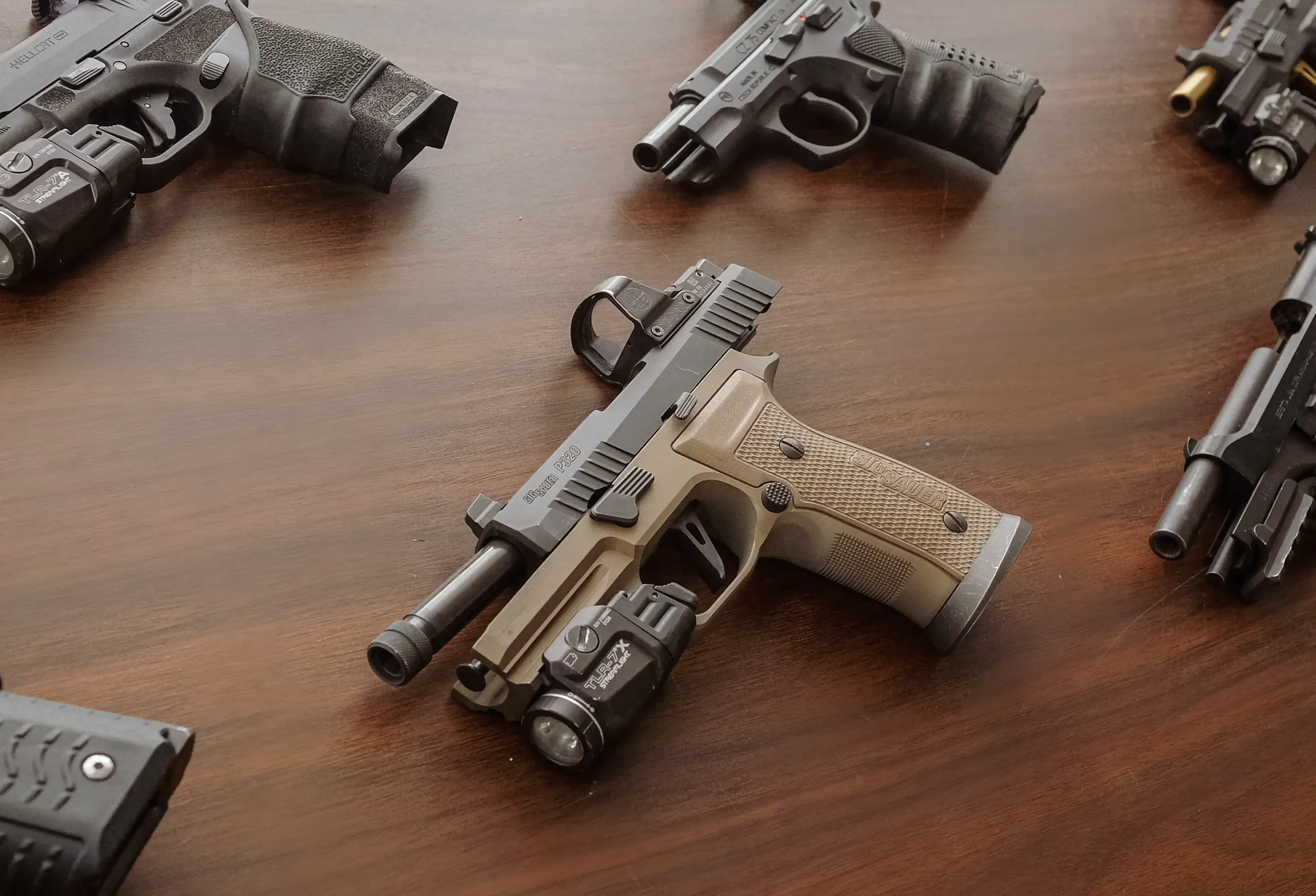
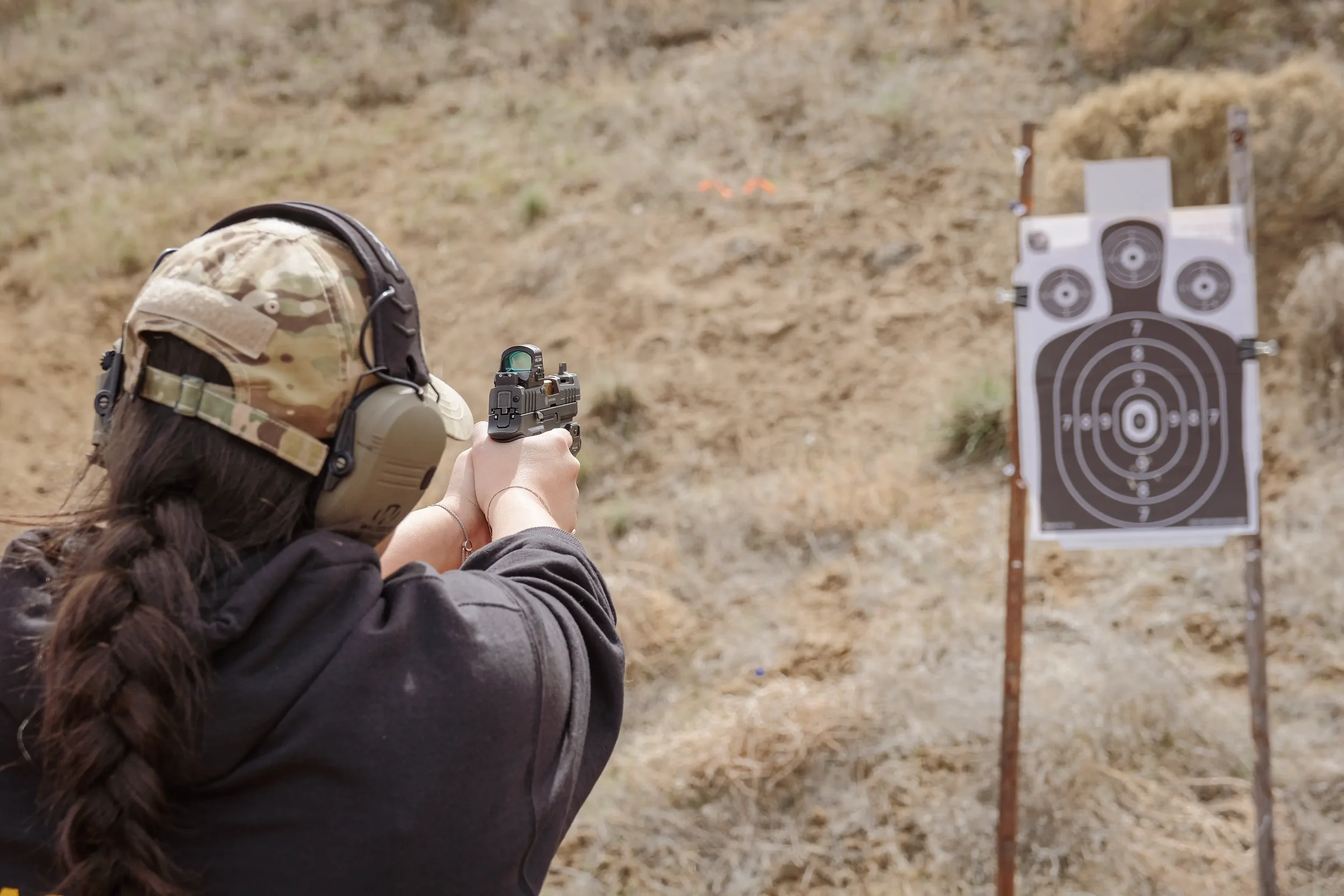
What Actually Matters When Choosing a Handgun
When you strip away the noise, a few core factors matter more than anything else.
First is fit and comfort. A handgun should feel natural in your hand. You should be able to grip it securely, reach the controls without strain, and maintain control without adjusting your grip constantly. If it doesn’t feel right, it won’t perform well - no matter how popular it is.
Next is size and intended use. Are you planning to carry it, use it for home defense, or train at the range? Many beginners assume smaller is better, but compact firearms can actually be harder to control due to recoil and grip size. A slightly larger handgun is often easier to handle and learn on.
Then there’s caliber. For most people, 9mm is the standard recommendation. It offers manageable recoil, is widely available, and provides a good balance between control and performance. There’s no need to overcomplicate this decision early on.
Finally, consider ease of use. A handgun should be simple to operate. Loading, unloading, and handling the firearm safely should feel straightforward - not frustrating or confusing.
Common Mistakes First-Time Buyers Make
One of the biggest mistakes new buyers make is choosing based on appearance or brand alone. Just because a firearm is popular doesn’t mean it’s the right fit for you.
Another common issue is going too small too quickly. Many people assume they need the smallest handgun possible, especially for concealed carry, but smaller firearms often require more control and experience to use effectively.
Skipping hands-on experience is another major misstep. If possible, you should handle - or even try - different options before making a decision. What looks good on paper doesn’t always translate in practice.
And finally, many people underestimate the importance of training. Owning a firearm and knowing how to use it are two very different things.
Why Training Matters More Than the Gun
The handgun you choose matters - but your ability to use it safely and confidently matters far more.
Training helps you understand how to handle a firearm properly, build consistent habits, and develop confidence in your decisions. It also gives you the opportunity to experience different firearms before committing to one.
More importantly, training bridges the gap between ownership and capability. It’s what turns a purchase into a skill.
Frequently Asked Questions
Q: What is the best handgun for beginners?
A: There isn’t a one-size-fits-all answer, but many beginners start with a 9mm handgun that is comfortable, reliable, and easy to control.
Q: Should I choose a smaller handgun for concealed carry?
A: Not necessarily. Smaller handguns are often harder to shoot accurately, especially for beginners. It’s usually better to prioritize control and comfort first.
Q: Do I need training before buying a handgun?
A: It’s not required, but it’s highly recommended. Training helps you make a more informed decision and build safe handling habits from the start.
Build Confidence Before You Buy
Choosing the right handgun becomes much easier when you understand what to look for - and have the opportunity to handle and learn in a structured environment.
If you’re unsure where to start, training is the best first step.
